
Introduction
Pulmonary rehabilitation (PR) is a well-established and fundamental component in the management of patients with chronic obstructive pulmonary disease (COPD).1 It has been shown to improve physical and psychological functioning in patients with COPD.1–4 Moreover, PR enables patients to acquire the necessary knowledge and skills to actively manage their own care, promote health-enhancing behaviours, and regain a degree of independence.5–7 As a result, it is nowadays considered a standard of care that is recommended for symptomatic patients with COPD.8–10
Unfortunately, not all patients can maintain post PR status over time due to various reasons, such as progression of the disease and/or its comorbidities, following disease exacerbation or hospitalization, loss of motivation and/or failure to establish post PR exercise habits.11–14 Another important non-patient-related factor may be the lack of reimbursed supervised post PR maintenance programs. These patients eventually become candidates for a repeated PR program. However, international clinical practice guidelines have been unable to recommend a program model for maintenance following PR due to a lack of evidence. According to recent reviews, the time between the first PR program completion and a repeated PR ranges from 12 to 45 months.2,15 Usually, patients tend to be referred for a repeated PR program if they have a worsening functional capacity, an exacerbation, and/or recent hospitalization.16
Previous studies have investigated the effectiveness of repeated PR programs among patients with COPD. However, these studies mostly utilized a limited number of patients (n=35 to 141)3,17–20 and/or mainly reported the six-minute walk distance (6MWD) as an outcome measure.16,21 To provide more robust evidence for the effectiveness of a repeated PR program, the present study aimed to report on exercise capacity, muscle function, functional capacity, and patient-reported outcome measures in a large sample of patients with COPD who underwent two PR programs. A priori, it was expected that a repeated PR program would again result in improvements in health outcomes in patients with COPD. Moreover, physical and psychological functioning at baseline of a second PR program (PR2) was expected to be lower than post first PR (PR1).
Methodology
Design and Population
This is a retrospective analysis of patients with COPD who were referred to PR in Ciro (Horn, the Netherlands) between January 2005 and September 2022. The medical ethics committee of the University Hospital Maastricht and Maastricht University approved the use of retrospective data (METC azM/UM 2022-3392), stating that the Medical Research Involving Human Subjects Act (WMO) did not apply to the current study. All patients who had completed both pre and post PR assessments (based on the 6MWD and other outcomes) in the first and second PR programs were considered for further analyses.
Pulmonary rehabilitation program
Ciro provides an advanced interdisciplinary state-of-the-art PR program for patients with COPD based on international recommendations and guidelines.22 Generally, Ciro only accepts patients with COPD with high symptom burden for an 8-week in-patient PR. Patients with low symptom burden only come to Ciro for assessment before attending outpatient PR in any of the designated centers affiliated to Ciro in the Netherlands. The 8-week treatment program that is offered is adjusted to the needs of each patient according to the pre-PR assessment outcomes.23,24 The interventions include exercise training (treadmill walking, stationary cycle ergometry, strength training, flexibility and balance training, general physical exercise for lower and upper extremities, supervised outdoor walks, and/or neuromuscular electrical stimulation), occupational therapy, dietary intervention, psychosocial counselling, education, smoking cessation and exacerbation management as previously reported.22,25
Outcomes
All patients with COPD referred to Ciro for PR undergo a thorough pre-PR assessment as described earlier.22 For this study, the dataset containing information on the pre-assessment before and after the first and second PR for each patient per outcome was used. The following data/outcomes of patients with COPD were retrieved from the electronic patient records: patient characteristics (sex, age and body mass index [BMI; body weight in kilograms divided by height in squared meters, kg/m2]); spirometry (forced expiratory volume in the first second [FEV1]; 6MWD; constant work rate test (CWRT) at 75% of the peak cycling load; isokinetic quadriceps strength (IQS) and muscle endurance as measured with a Biodex (Biodex System 4 Pro, Biodex Medical Systems, Inc., NY); COPD Assessment Test (CAT), Hospital Anxiety and Depression Scale (HADS), St. George’s Respiratory Questionnaire (SGRQ), Canadian Occupational Performance Measure (COPM) and modified Medical Research Council (mMRC) dyspnea scale.
Data analyses
Patient characteristics were summarized using descriptive statistics. Linear mixed models were performed to analyze changes in continuous outcomes after checking that all assumptions for using the analyses were met. Fixed effects included timepoint (start/end PR), rehabilitation cycle (first/second) and their interaction, with a random intercept for subject. Models were estimated using restricted maximum likelihood (REML), with Satterthwaite approximation for degrees of freedom. Estimated marginal means with Bonferroni correction were used for post-hoc analyses. The level of statistical significance was set at ≤ 0.05, and all analyses were conducted using IBM SPSS Statistics, version 28.0.
Results
General characteristics of patients with COPD
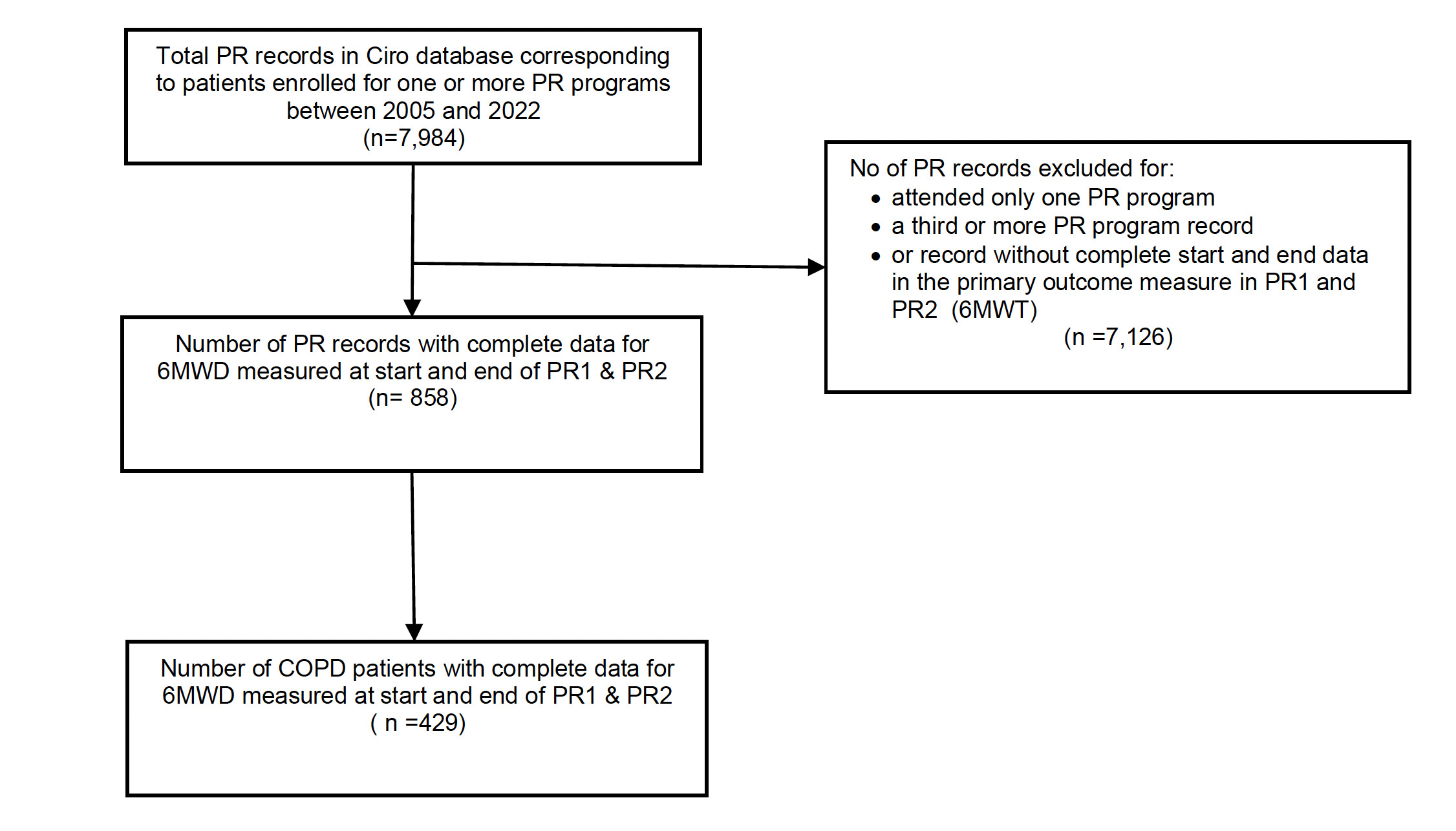
Between 2005 and 2022, 7,984 PR records, of which some patients with COPD were enrolled in one or more PR programs, were obtained. Of these, 429 patients (equivalent to 858 or 10.6% of available PR records) attended and completed a first and a second PR program (see Fig. 1).
Baseline characteristics are listed in Table 1. Approximately half of the patients were women. The mean BMI was within the normal range, and patients had mild to very severe COPD. Moreover, most patients had severe dyspnea, a poor exercise capacity, lower-limb muscle weakness, activities of daily living (ADL) limitations, and an impaired quality of life.
Changes in response in patients with COPD following two PR Programs
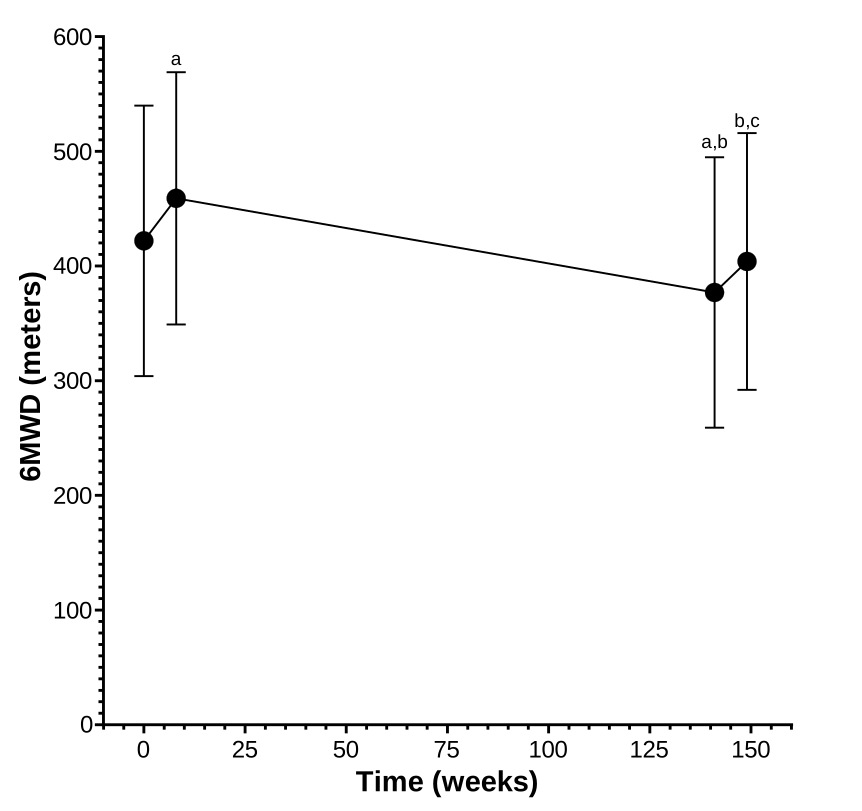
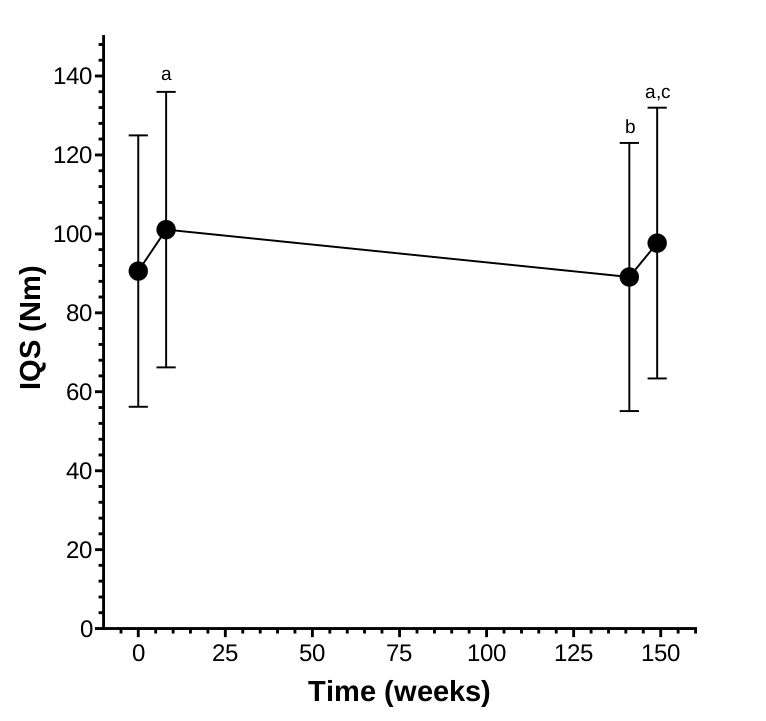
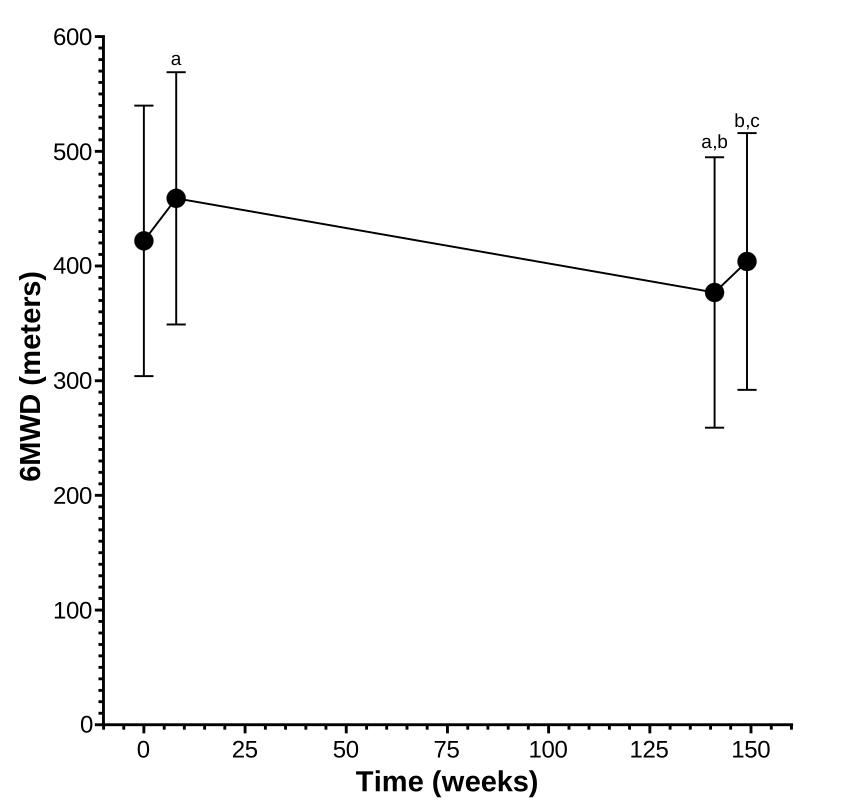
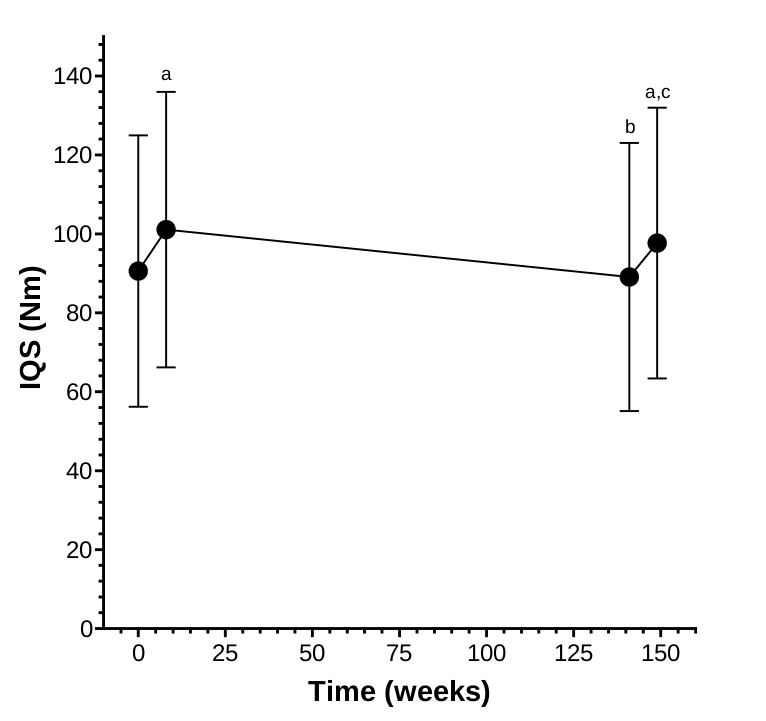
The mean time between completion of the first PR program (PR1) and enrollment in the second PR program (PR2) was 2.6±1.2 years. The results show significant improvements in 6MWD (Table 2 & Fig. 2), IQS, CWRT endurance time, CAT, SGRQ, HADS anxiety and depression, and COPM measures after both PR1 and PR2 (p < 0.05; Table 2). As indicated in Table 2, improvements were significantly higher during PR1 compared to PR2 for 6MWD (37 vs 27 m; p < 0.001; Fig. 2) and IQS (10.4 vs 8.6 Nm; p < 0.029; Fig. 3). Improvements of all other outcome measures were comparable across both PR programs (p > 0.05). Also, patients showed a significant decline between post PR1 and baseline PR2 (p < 0.05; Table 2; Fig. 2; Fig. 3).
Discussion
The main aim of this study was to report on the effectiveness of a repeated PR program in patients with COPD. The second course of PR was associated with substantial improvements in patients’ outcomes that were overall comparable to the first PR outcomes, suggesting that the therapeutic effects of PR are reproducible. The study results also indicated that the benefits gained from PR programs were largely lost at the start of a subsequent PR program. This finding further emphasizes the need for maintenance programs after PR completion in patients with COPD. This is also in line with earlier studies indicating that benefits from previously attended PRs can be lost over time.2,16,19
The findings of this study have reinforced the established role of PR as an important aspect of COPD management and support the utility of offering repeated programs for patients with COPD, who experience clinical deterioration or functional decline over time.7,20 A key aim of PR is to equip patients with the skills needed to self-manage their condition and maintain independence.7 However, not all patients are able to preserve these post PR gains over time due to disease progression, comorbidities, physical deconditioning, or non-disease-related factors such as reduced motivation.15,20 The consistent improvements in assessed outcome measures across successive PR programs indicate that patients continue to derive tangible benefits, even after completing a second PR program.
Similar to previous studies, patients with COPD who attended two PR programs demonstrated greater improvements in functional capacity and muscle function during the first PR compared with the second PR.2,9,15 This may be explained by disease progression, a ceiling effect in the improvement that can be obtained or aging. Our study results also showed that both the 6MWD and IQS were worse at the start of the second PR compared to the first. Studies have indicated that when patients are more deconditioned, symptomatic, and functionally limited, there is a greater scope for improvement.19,26 In our study, the first PR elicited stronger physiological adaptations compared to the second PR. Indeed, some patients may be more motivated and receptive during their first exposure to PR interventions.19,26
The results of the study also revealed that improvements from PR were similar across most other outcome measures reported among patients who attended the second PR program. More importantly, the average improvements recorded for most of the outcomes exceeded the minimal clinically important differences (MCIDs) for patients with COPD as earlier identified: 6MWD (+25 meters), SGRQ (-4 points), CAT (ranges between -3.0 and -2.0 points), HADS anxiety score (ranges between -1.8 and -1.3 points), HADS depression score (ranges between -1.7 and -1.5 points), IQS (+4 Nm), and COPM (+2 points) measures.27–32 This sustained responsiveness of patients with COPD to PR, as seen in this study, is proof that the effects of PR on several parameters do not plateau over time, as earlier opined.20 Therefore, re-enrollment of COPD patients in PR, when clinically indicated, appears to be a valuable therapeutic option.
In addition, the results of this study have shown that psychological outcomes can improve significantly following two successive PR programs. This is particularly noticeable in our results, indicating better improvement among the subgroup of patients with COPD who report worse psychological symptoms at the start of each PR program. Generally, the attention that patients obtain from their care providers and the peer support of other patients during PR could explain some of the improvement in psychological outcomes.33 Nevertheless, specific psychological interventions such as cognitive behavioural therapy offered to selected patients undertaking PR can facilitate their adjustment process via encouraging adaptive thoughts and behaviours and diminishing negative emotions in a socially supportive environment.34 These psychological interventions during PR are known to enhance cognitive functioning and psychological well-being.35 Moreover, improvements in these outcomes were observed during both PR programs.
Furthermore, repeated PR programs offer patients ongoing engagement with healthcare professionals, as well as peer and structured support. This is likely to contribute to the consistent outcomes in this study, as earlier suggested.35 Two systematic reviews have also highlighted the positive impact of supervised exercise-based maintenance programs following PR in patients with COPD. This includes a reduction in healthcare utilization and improvement in exercise capacity due to reinforcement techniques, education, and self-management strategies that take place during PR programs.14,36 Lastly, even though GOLD recommends PR for more symptomatic patients,10 it is important to note that about a quarter of our study population were patients with fewer symptoms (mMRC 0 and 1).
Methodological considerations
The major strength of this study is the relatively large sample of patients with COPD and the large number of outcomes available for analysis compared with existing studies. Nevertheless, this study has the following limitations. For example, the study used routine care data over a 17-year period, during which some institutional changes, such as updates to patient assessment tools, occurred over time. Our decision to include only patients who completed PR programs (based on the available start and end assessment scores for the study outcomes) and to use a linear mixed model analysis has yielded the true effect of the intervention. This resulted in selection bias, as the analyses focused only on patients with records showing completion of a first and a second PR program (about 10.6% of the total records available). Furthermore, insurance companies in the Netherlands usually set a minimum time between PRs (about 1.5 years). This implies that the current sample may not reflect the study population. Nevertheless, we recommend future prospective studies to identify patient subgroups that may benefit most from multiple PRs, as well as to assess cost-effectiveness, exacerbation, and hospitalization rates. We also note that we had no record of what patients did after completing each PR program. As a general institutional rule, all patients receive a referral for primary care physiotherapy after completing PR; however, it is unknown whether they actually adhere to this referral. Therefore, we strongly recommend that these patients continue to receive structured (supervised and unsupervised combined) paid aftercare/maintenance programs.1,37 We also did not take into account in this analysis the smoking status of the patients and whether they had any history of exacerbation/hospitalization (which is also a factor that may explain decline over time) between PRs.
Future studies should monitor patients after PR1 or PR2 who transition to home-based or tele-rehabilitation to determine whether benefits are maintained. Research should also establish the optimal duration and frequency of PR, as well as the appropriate interval for repeated programs. In addition, identifying patient characteristics associated with greater benefit from repeated PR could support more individualized decisions about who should receive repeated rehabilitation and when.
Conclusion
Our findings suggest that repeated PR programs can be effective in improving functional capacity and other outcomes in patients with COPD. The current data suggest that if needed, a repeated PR can have a significant positive impact.
Author Disclosure Statement
All authors have completed the ICMJE uniform disclosure form and declare no conflict of interest. Dr. Jibril Mohammed is the recipient of the European Respiratory Society Fellowship Clinical Training Fellowship 2023 (CTF202310-01117)
Funding source
There is no funding or support received by any person, institute, organisation or from any other source.
Ethical approval and informed consent statement
The medical ethics committee of the University Hospital Maastricht and Maastricht University approved the use of retrospective data (METC azM/UM 2022-3392), stating that the Medical Research Involving Human Subjects Act (WMO) did not apply to the current study.
AI Statement
The authors confirm no generative AI or AI-assisted technology was used to generate content.